What a Messy Moment Reveals About Life in a Small Apartment
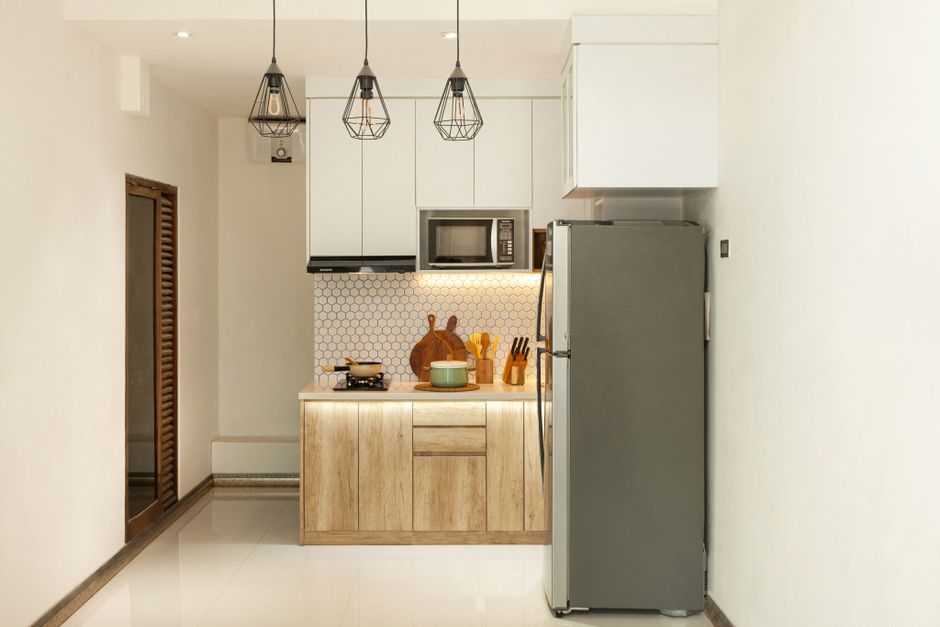
As the morning light filters through the narrow kitchen window, I stand at the entry shelf of my small apartment, juggling the remnants of last night’s grocery trip. The reusable bags, crammed with fresh produce and essentials, sit on the floor, waiting to be stowed away. With my shoes already on and the clock ticking, I grab my work bag and glance at my phone. The transit app sits quietly, unexamined, while I mentally check off the errands I’ve completed. In the cramped space, every minute counts, and I don’t want to spill into my workday.
Just as I reach for the door, a familiar ping jolts me. The transit alert pops up, but it’s too late; I’ve already committed to leaving. The bus I need is running late, and I’m left standing there, bags in hand, contemplating whether to wait or dash to the subway. This moment of oversight—skipping the transit check—reveals how easily one small mistake can cascade into a larger disruption. In a small apartment, where space and time are limited, every decision feels magnified, and the friction of daily life logistics becomes all too real.
The Cluttered Entry Shelf: A Snapshot of Chaos
The entry shelf is a battleground of everyday life, cluttered with grocery bags, a set of keys that always seem to vanish, and a planner that hasn’t seen the light of day in weeks. As I stand there, the clock ticks closer to my work start time, and the mess feels heavier than usual. I can’t shake the feeling that I’m forgetting something vital amidst the jumble of items piled high.
With a grocery trip fresh in my mind, I can see the bags filled with essentials—milk, bread, and a few impulse snacks—sitting awkwardly on top of my planner. I quickly shove the bags to one side, making space to grab my keys, which are buried beneath a pile of mail. Each movement feels rushed, and I can’t help but think about how this chaotic entryway reflects the friction of my daily life logistics.
As I pull on my shoes, I realize I haven’t checked the transit app yet. It’s a small oversight, but in this cramped apartment, even minor details can snowball into larger issues. I reach for my phone, but the app’s screen is still locked, and I fumble to unlock it. Just as I finally get it open, a notification pings, but it’s too late; I’ve already committed to leaving. The bus I need is delayed, forcing me to reconsider my route. This moment highlights how one small mistake, like neglecting to check the transit schedule, can disrupt the entire morning routine, amplifying the chaos that already resides in my small space.
The Missed Transit Check: A Small Drift
This same friction shows up again in Navigating Busy City Life, especially when the day tightens unexpectedly.
As I reach for my shoes, the familiar clutter of my apartment entrance comes into view. Grocery bags, still half-unpacked, are strewn across the entry shelf, and my keys are buried under a stack of mail. This chaotic setup makes it easy to overlook the small details that can derail my morning. I slip on my shoes, a habitual motion, but I realize I haven’t checked the transit app yet. It’s a simple action that often gets lost in the shuffle.
Just as I pull my phone from my pocket, I fumble to unlock the screen. The app finally opens, and a notification pops up: the bus I need is arriving sooner than expected. My heart sinks; I should have checked this before putting on my shoes. Now, I’m committed to leaving my apartment without a clear plan. The city block outside my door is bustling, and I can already picture the time wasted waiting for the next bus.
This moment illustrates how a small oversight, like neglecting to check the transit schedule, can cascade into larger issues. I’m left standing at the door, contemplating whether to rush out and risk missing the bus or to take a moment to regroup and potentially alter my route. The friction of disorganization in my small space has turned a simple grocery trip into a logistical challenge, amplifying the stress of my morning routine.
How the Mistake Snowballed: A Morning in Disarray
A slightly different version of this problem appears in Apartment Living Tips Us, where the sequence changes but the hidden drag feels familiar.
Standing at the entry shelf of my apartment, I glance at my watch and feel the familiar rush of panic. I should be out the door by now, but the grocery list is still sprawled across the table, and my lunch is nowhere in sight. In my haste, I grab my bag, slip on my shoes, and head for the door, only to realize I’ve forgotten my planner and the reusable bags for the grocery trip. A quick check of my transit app, which I should have done earlier, reveals that the bus is arriving in just five minutes. I’m already committed to leaving, but now I’m faced with the choice of either sprinting down the street or turning back to gather my essentials.
As I rush out, the chaos of the morning catches up with me. I miss the bus by mere seconds, watching it pull away as I stand panting at the corner of my block. The missed bus isn’t just an inconvenience; it sets off a chain reaction. I now have to wait another fifteen minutes for the next one, which means I’ll be late for work and have to forgo my morning coffee. The small oversight of not checking the transit schedule before putting on my shoes has turned a simple grocery trip into a logistical nightmare, forcing me to reconsider my entire morning routine as I stand there, feeling the weight of my disorganization. The day has barely begun, and already the friction of living in a small space has amplified the stress of my daily life. A Simple Repair: Reorganizing the Entryway Returning home from a grocery trip, I find my entryway cluttered with bags, shoes, and the remnants of yesterday’s errands. The entry shelf, once a hopeful organization attempt, has devolved into a chaotic pile of items that don’t belong together. Keys are buried under a stack of mail, and my reusable grocery bags are crammed into the corner, making it hard to grab what I need when I’m in a hurry. This mess isn’t just an eyesore; it’s a barrier that can lead to more mistakes, like forgetting essential items when heading out.
To counter this, I decide to take a few minutes to reorganize. I clear the shelf, placing the mail in a designated box and hanging my keys on a small hook that’s been unused. Next, I create a specific spot for my grocery bags, folding them neatly and placing them front and center. This simple rearrangement not only clears the visual clutter but also sets me up for success. Now, when I’m rushing out the door, I can grab my keys and bags in one smooth motion, reducing the chances of missing my transit check.
As I finish, I pull out my phone and set a reminder to check the transit app before I start getting ready in the morning. This small adjustment ensures that I won’t be caught off guard again, standing at the door with my shoes on, only to realize I’ve missed the bus. With my entryway now organized and a reminder in place, I can tackle my errands with less friction, making my daily routine feel a bit more manageable.
The Part Worth Repeating Tomorrow
As I stand in the narrow entryway of my apartment, the clutter from my last grocery trip still lingers on the small shelf by the door. A half-open bag of apples teeters precariously next to a stack of mail, and my reusable grocery bags are crumpled in a corner. This chaotic setup makes it all too easy to forget a crucial detail: checking the transit app before I leave for work. I realize that the transit alert pops up only after I’ve already slipped on my shoes, a moment that always feels like a small disaster.
To avoid this friction tomorrow, I take a moment to rethink my routine. First, I grab my phone and set a reminder for the morning to check the transit app right after I wake up. Then, I clear off the entry shelf, placing the mail in a designated box and neatly folding my grocery bags into a visible stack. This small act of organization not only declutters the space but also creates a visual cue that reminds me to check the app before I even think about my shoes. The act of folding the bags and placing them front and center means I can’t miss them when I’m rushing out the door.
By creating this repeatable pattern, I reduce the chances of a last-minute scramble. Tomorrow morning, I’ll be reminded to check my transit options before I’m dressed and ready to leave. This small adjustment not only streamlines my errands but also sets a tone for the day, making city living feel just a bit more manageable.
As I stand at my apartment entry shelf, the clutter of the day’s errands reminds me how easily a single oversight can spiral. The transit app alert, which I forgot to check, pops up just as I’m lacing my shoes. It’s a small moment, but it highlights the friction of city living—one missed check can lead to a rushed commute, leaving me scrambling to adjust plans on the fly.
To avoid this chaos tomorrow, I’ll place my phone on the entry shelf tonight, right next to my neatly folded grocery bags. This way, I’ll be forced to check the app before I even think about my shoes. A simple adjustment like this can transform my mornings, making the logistics of living in a small space just a bit smoother.


