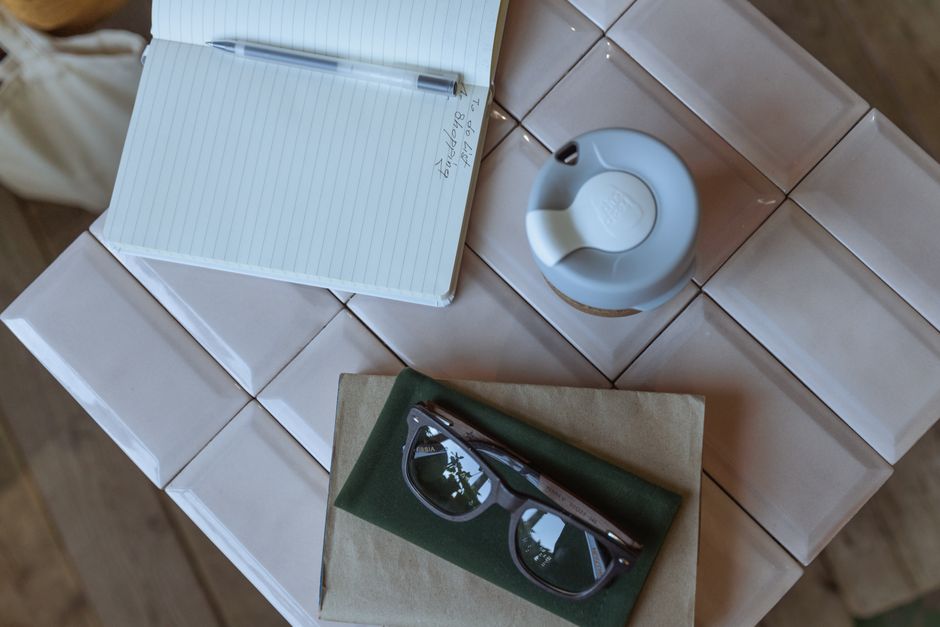
What Apartment Looks Like on an Ordinary Day

As the sun peeks through the window, the small apartment feels cluttered with the remnants of yesterday's errands. Grocery bags still sit tucked in the closet, waiting to be unpacked, while keys have drifted to the counter instead of returning to their usual spot in the door-side bowl. This ordinary weekday moment is a familiar scene: the rush to reset surfaces before the next morning, juggling the logistics of city living and the limited space that often complicates even the simplest tasks.
In the midst of this daily shuffle, the transit app buzzes with updates, reminding me of the time crunch ahead. Each item on the to-do list feels more pressing as I mentally map out the city block I need to navigate. Yet, the physical setup of the apartment doesn't match the routine; the keys, now lost amid scattered papers, create a small but significant friction. This moment illustrates how easily life logistics can become tangled in small spaces, revealing the hidden challenges that often go unnoticed in the hustle of apartment living.
The Cluttered Entry: A Daily Friction Point
As I step into my small apartment after a long day, the entryway greets me with a jumble of grocery bags, scattered shoes, and the remnants of yesterday's errands. The door-side bowl, meant for keys, is buried under a pile of mail, making it all too easy for my keys to drift to the kitchen counter or slip behind a stack of bills. It’s a familiar chaos that adds unnecessary stress to my already packed weekday routine.
With a quick glance at my phone, I check the transit app, noting the approaching bus time and the need to leave soon. I shuffle through the bags, still filled with items from my last grocery trip, realizing that I skipped putting them away in the closet. The pressure mounts as I mentally map out the city block I need to navigate later, but first, I have to find my keys. I pause, taking a moment to remember: if I can just keep that door-side bowl clear, I might avoid this frantic search tomorrow. Each misplaced item becomes a reminder of how small spaces can complicate even the simplest of tasks, turning a straightforward exit into a time-consuming scramble. The Decision to Rush or Organize As I stand by the door, the grocery bags still crammed in the closet remind me of the choice I made earlier. With a busy weekday ahead, I opted to skip unpacking them after my last trip. Now, I’m faced with the clutter of my small apartment, the bags becoming a visual reminder of my hurried decision. It’s tempting to just grab my keys and dash out, but that often leads to a chaotic scramble later.
In this moment, I glance at my phone to check the transit app, but the bus is just minutes away. The pressure mounts, and I feel the urge to rush. Instead of taking a moment to clear the door-side bowl where my keys should be, I find myself rifling through the kitchen counter instead. I know that if I had just unpacked those groceries and kept my entryway organized, I wouldn’t be battling this small chaos now. Each time I skip that step, it turns a simple exit into a frantic search, making me question if the quick choice was worth the hassle.
The Cost of Rushing: A Mini Case
A slightly different version of this problem appears in Navigating Busy City Life, where the sequence changes but the hidden drag feels familiar.
Standing at the entryway of my small apartment, I can see the door-side bowl overflowing with miscellaneous items—old receipts, a few coins, and my keys, all jumbled together. It’s an ordinary weekday morning, and I’m already feeling the pressure of the day ahead. I should have taken a moment to tidy up last night, but instead, I opted to leave the grocery bags in the closet, thinking I’d unpack them later. Now, as I check the time, I realize I’m about to miss the bus. The transit app shows it’s just two minutes away. I grab my keys, but they slip from my fingers, landing right back in the chaos of the bowl. This small moment of disorganization is costing me precious seconds.
In my rush, I forget to grab the reusable shopping bags I had planned to take for my errands later. As I step outside, I can already feel the weight of that decision. Not only will I have to make an extra trip back to the apartment, but I’ll also be stuck waiting longer for the next bus, extending my commute. Each time I let the clutter build up at my entryway, I’m reminded that a few minutes spent organizing could save me from this frantic scramble. The cost of rushing isn’t just about missing a bus; it’s about the ripple effect that follows, turning what should be a simple grocery trip into a logistical nightmare. A Better Approach: Quick Checks and Organized Spaces Managing the entryway in a small apartment can feel like a constant battle against chaos, especially on busy weekdays. A door-side bowl can serve as a designated space for keys and essential items, preventing them from drifting to various surfaces. Each time I return home from errands, I make a point to drop my keys in this bowl, creating a reliable habit that minimizes frantic searches.
- Before heading out, I set a reminder on my phone to check the transit app. This simple action helps ensure I’m aware of bus schedules, reducing the chances of missing my ride.
- Instead of tossing grocery bags into a closet, I keep them in a designated spot next to the door. This way, I can grab them easily on my way out, saving me from a last-minute trip back inside.
- On particularly crowded days, I opt to prepare my grocery list the night before, aligning it with my errands. This not only streamlines my shopping but also helps me visualize what I need to grab, making the entire process more efficient.
Implementing these small adjustments can drastically improve the flow of daily life in a small space. Each organized step reinforces a smoother routine, allowing me to navigate my errands with less stress. By embracing these quick checks, I can avoid the disarray that often complicates city living.
The Outcome of Consistent Choices
If this pattern keeps repeating, Apartment Living Tips Us extends the idea without leaving the niche.
Each evening, I take a moment to reset my entryway. The door-side bowl, filled with keys, transit cards, and a few stray coins, serves as my command center. By placing my grocery bags neatly beside it, I create a visual cue for the next day’s errands. This simple act of organization transforms my chaotic mornings into a more peaceful routine.
When I wake up, I can quickly grab my keys and bags without searching through clutter. The time saved in the morning allows me to check my transit app before heading out, ensuring I’m aware of any delays or schedule changes. This proactive approach means I often arrive at my first stop on time, whether it’s the grocery store or a meeting across town.
On particularly busy days, I notice that the small adjustments I’ve made have a ripple effect. Instead of feeling rushed and overwhelmed, I can take a moment to breathe before diving into my tasks. The grocery bags, which used to be a last-minute scramble from a closet, are now just a quick grab on my way out. This consistency in my routine not only reduces clutter but also helps me maintain a clearer mind as I navigate my errands.
As I step out into the city block, I feel the difference in my pace and mindset. Each organized choice reinforces a smoother flow in my daily life, making it easier to manage the logistics of living in a small space. The entryway, once a chaotic drop zone, has become a streamlined launchpad for my day.
As I prepare to leave for another busy day, I glance at the door-side bowl where my keys usually sit. Today, they’ve drifted to the kitchen counter, a small but telling oversight that could lead to a frantic search later. This minor detail highlights how easily the flow of my day can be disrupted in a small apartment. The grocery bags, neatly organized and ready to go, remind me of the importance of maintaining a system that works, even if it feels like a small victory.
Each time I check the transit app before heading out, I’m reminded that these little adjustments—like designating a consistent spot for my keys—can significantly reduce the friction in my daily life logistics. Next time I come home, I’ll make it a point to return my keys to their bowl immediately, reinforcing the habit that keeps my entryway clear and my mind focused.