Why Good Intentions Around Living in Small Spaces Often Fail During Commute
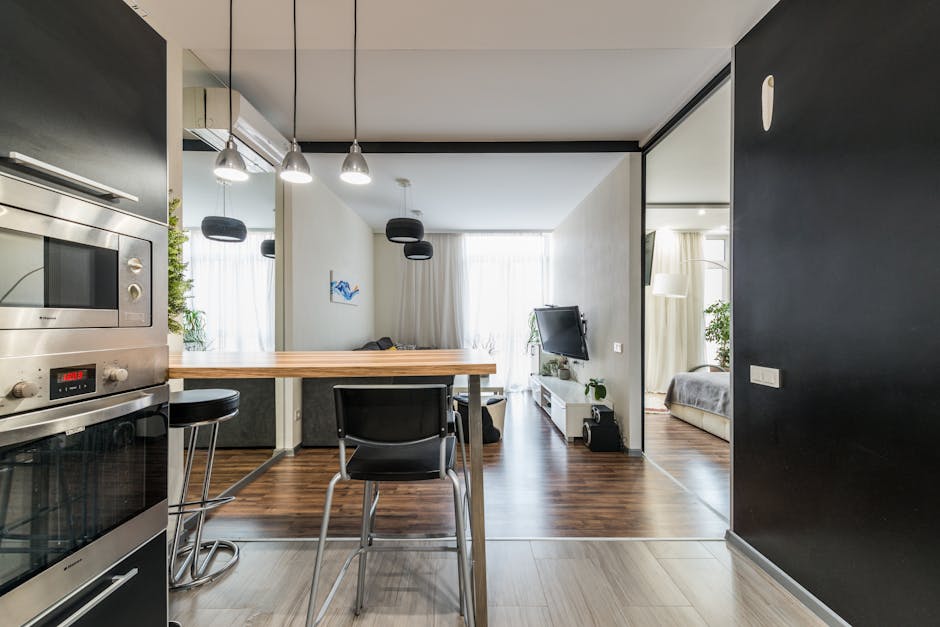
It’s a Tuesday morning, and the transit app screen glows with the day’s schedule. A quick glance reveals a grocery trip is on the agenda, but first, the keys need to be located. They’ve drifted from their usual bowl on the kitchen counter, likely resting somewhere on the cluttered surfaces of the living room. This small oversight can easily lead to a cascade of delays, as the clock ticks down to the start of the workday. The grocery bags, still tucked away in the closet, serve as a reminder of the errands that pile up in the corners of city apartment life.
As the minutes slip away, the realization hits: without a grouped errand list, the simple act of stepping out can feel overwhelming. Each task, from picking up the dry cleaning to grabbing fresh produce, competes for mental space. The tight quarters of a small apartment amplify the chaos, making it all too easy to forget essential items or misplace keys. This daily friction disrupts the flow of life logistics, turning a straightforward commute into a source of stress that lingers long after the morning rush.
The Morning Rush: A Scene of Small Tasks
The sound of the coffee maker gurgles in the background, mingling with the sharp beeps of the transit app on the phone screen. It’s a typical weekday morning in a small apartment, where the aroma of brewing coffee barely masks the chaos of scattered keys. They’ve migrated from their usual bowl on the counter to various surfaces: the dining table, the kitchen island, and even the edge of the sofa. This disarray creates a palpable tension, as each misplaced key heightens the risk of missing the bus.
As the clock ticks closer to the hour, the daily ritual of gathering essentials begins. The grocery bags, still tucked away in the closet, remind me of the errands I need to tackle later. I quickly check my phone for the transit schedule, mentally prioritizing tasks: first, I’ll grab the dry cleaning, then swing by the grocery store. Without a grouped errand list, the thought of stepping out feels daunting. I take a moment to place the keys back in their designated bowl, a small but crucial step to streamline the morning. This simple act helps clear the mental clutter, allowing me to focus on the tasks ahead. Yet, the lingering question remains: will I remember everything on my list before I step out into the bustling city block?
When Good Intentions Go Awry
The morning light spills into the tiny apartment, illuminating the cluttered surfaces where my keys have settled into a game of hide-and-seek. I’m already running late, and the clock is ticking down to my first meeting. A quick glance at my phone reveals the transit app showing the next bus in just ten minutes. As I race through my mental checklist, the nagging realization hits me: I forgot to grab the grocery bags, still stuffed in the closet from last week’s shopping trip. They sit there, a silent reminder of errands I had intended to complete.
In the midst of this rush, I frantically search for my keys, which have somehow migrated from the kitchen counter to the coffee table, and now, I’m digging under the couch cushions. Each misplaced item adds to the chaos, and I can feel the frustration mounting. Without a grouped errand list, I’m left to rely on memory alone, which feels increasingly unreliable. I take a moment to breathe, reminding myself to return to the bowl where I usually keep my keys. This small act is crucial; it’s a simple way to cut down on the frantic searching that often derails my morning.
Finally, with keys in hand, I open the closet door, and the sight of those grocery bags makes me pause. They remind me of the grocery trip I had planned, but now it’s a matter of prioritizing. Do I stick to the original plan or skip the store to make it to work on time? The decision weighs heavily as I step out into the bustling city block, knowing that each choice carries its own set of consequences.
Why Small Tasks Create Big Friction
This same friction shows up again in Navigating Busy City Life, especially when the day tightens unexpectedly.
As I prepare for another busy weekday, the weight of my to-do list looms large. My transit app flashes reminders for my commute, but the mental load of remembering multiple errands distracts me. I glance around my small apartment, noting the grocery bags still tucked away in the closet. I had planned to grab them before heading out, but now they feel like a distant thought, overshadowed by the urgency of getting to work on time.
In the rush of getting ready, I realize I’ve misplaced my keys again. They drifted from the usual bowl on the entryway table to the kitchen counter, and now they’re nowhere to be found. This mismanaged order of tasks leads to a frantic search, and the more I dig through clutter, the more my focus on the commute slips away. I can’t help but feel the frustration building as I think about how good intentions alone won’t cut it. I should have checked for my keys before diving into the list of errands.
To avoid this chaos next time, I decide to implement a small but effective change: I’ll create a grouped errand list that I can check off before leaving. This simple adjustment could streamline my morning routine, ensuring I don’t forget essential items like those grocery bags. Yet, as I step out into the bustling city block, I’m left weighing the tradeoff: stick to my original plan and risk being late, or skip the store and hope I can manage until the next trip. Each choice feels heavy, a reminder that small tasks can snowball into larger disruptions when not managed well.
A Simple Adjustment to Streamline Errands
A slightly different version of this problem appears in Apartment Living Tips Us, where the sequence changes but the hidden drag feels familiar.
Each morning, my apartment feels like a maze, especially when I’m scrambling to get out the door. I glance at my transit app screen, which shows the next bus arriving in just ten minutes. As I rush to grab my keys, I find myself combing through the clutter on the kitchen counter, where they seem to have migrated again. This frantic search eats away at my time, and the thought of missing the bus adds to my stress.
To tackle this, I’ve decided to place a small bowl right by the door specifically for my keys. This simple adjustment means I’ll always know where they are, cutting down on the last-minute panic. The night before, I also started creating a grouped errand list, prioritizing tasks based on their location. For instance, if I need groceries and a package from the post office, I’ll list them in the order I’ll encounter them on my route. This way, I can check off items as I go, ensuring I’m not doubling back and wasting precious time.
With these two changes in place, I can finally focus on the commute ahead instead of the small admin tasks that pile up. As I step out onto the bustling city block, I feel a sense of relief knowing I’ve minimized the friction points that used to disrupt my mornings. Now, it’s just a matter of sticking to the plan and making sure I don’t skip the grocery trip, especially since the bags are still tucked away in the closet from last week.
A Quick Check That Prevents More Drift
As I prepare for another busy weekday, I glance at the cluttered entryway where my keys often disappear into the chaos. They drift from the kitchen counter to the dining table, creating unnecessary stress during my morning rush. To tackle this, I’ve started a quick check before heading out: I place my keys in a designated bowl right by the door. This simple action cuts down on frantic searches and sets a clear starting point for my errands.
Before I step outside, I also pull up my transit app to review my planned route. This morning, I need to pick up groceries and drop off a package at the post office. By checking my grouped errand list, I can see that the post office is just a block away from my favorite grocery store. I make a mental note to grab the reusable grocery bags from the closet before I leave, ensuring I won’t forget them again. This small adjustment keeps my errands efficient, allowing me to check items off my list without backtracking.
What Gets Easier in the Next Time Block
After a busy morning of juggling errands, the evening commute feels more manageable when I’ve prepped effectively. I glance at my transit app, which shows a clear route home, and I can’t help but appreciate the time saved by grouping my errands earlier. The grocery bags, now tucked neatly by the door, remind me of how simple adjustments can streamline my day.
By placing my keys in the designated bowl as a first step, I eliminate the frantic search that often eats into my time. This small act creates a smoother transition from work to home, allowing me to focus on the next part of my day. I also check my grouped errand list once more; it’s satisfying to see the post office and grocery store lined up just a block apart. Knowing I won’t have to backtrack saves me not just time but also mental energy.
As I step outside, the weight of the day feels lighter. I’m not just moving through tasks; I’m actively managing them. The grocery bags are finally out of the closet, ready for the trip. This little preparation means I can hop on the bus without worrying about forgetting something crucial. The commute becomes less about rushing and more about simply getting home, making the evening feel a bit more relaxed.
As I prepare for another busy weekday, I realize that the small actions I take can significantly ease the friction of city living. The transit app on my phone buzzes with updates, reminding me to stay on schedule. I glance at my entryway and spot the bowl where I usually toss my keys. They’re not there, of course—just another reminder of how easily small items drift to different surfaces in a cramped apartment. To avoid this chaos, I decide to place my keys back in the bowl as soon as I walk in, establishing a solid habit.
With my grouped errand list in hand, I double-check the items I need to grab today. The grocery bags, finally out of the closet, sit ready by the door. This simple setup means I can head out without scrambling at the last minute. Each small adjustment, like keeping my keys in one place and preparing my bags ahead of time, transforms the commute from a chaotic sprint into a manageable part of my day. I’m not just navigating errands; I’m orchestrating them, making my daily life in this small space feel a bit more spacious.


